Where the beans come from
Our beans come from small farms in Colombia, Ethiopia, Guatemala and Kenya, roasted in small batches by two friendly roasters in the south west. We swap bags every few weeks so the shelf always has something new.
Each bag carries a label with the farm, the altitude, the roast date and a short tasting note.
Roast days and freshness
- Roast dayBeans leave the roaster and rest for a few days.
- Day 4Beans arrive at the coffee house and sit in sealed jars.
- Week 1 to 3The sweet spot for flavour at home.
- Week 4 and onStill lovely, but flavours soften gradually.
A simple grind guide
Tell us what you use at home, whether that is a cafetiere, a moka pot, a pour-over or a machine, and we will grind to match. Whole beans keep their flavour longer, so ask for a small grind if you do not have a grinder at home.
A few quick rules: coarser for a cafetiere, medium for a pour-over, fine for a moka pot.
Making good coffee at home
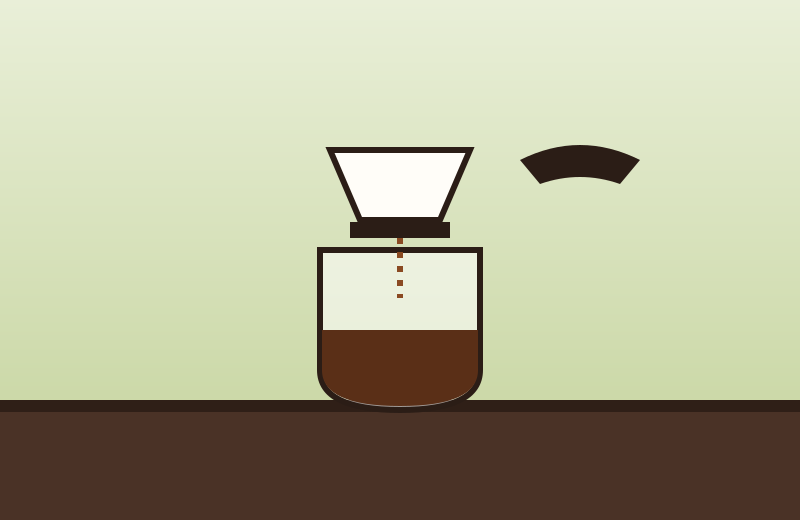
Use fresh, cold water and weigh your beans if you can. Warm your cup first, give the grounds a gentle stir and taste before you add anything.
If the cup tastes sour, try a finer grind. If it tastes harsh, go coarser.
Refills and bags
- Bring a clean tin or jar and we will fill it from the jar on the shelf.
- Paper bags are recyclable and sealed with a simple fold.
- Ask the team for a tasting note if you are choosing between two beans.
- Gift bags are wrapped in brown paper and string.